

Ceramic fiber bulk for kiln insulation is widely used in industrial thermal processing applications where flexible, lightweight refractory insulation is required. From ceramic kilns and heat treatment furnaces to expansion joints and specialized insulation components, ceramic fiber bulk helps address insulation requirements in irregular spaces and complex furnace structures.
For furnace manufacturers, refractory contractors, and insulation distributors, selecting a reliable ceramic fiber bulk supplier involves evaluating fiber grade, temperature classification, material consistency, and application requirements—not simply comparing prices.
Mindelun provides industrial thermal insulation materials for B2B customers seeking practical solutions for high-temperature equipment. This guide explains how ceramic fiber bulk works, where it is used, and what to consider when sourcing it for industrial projects.
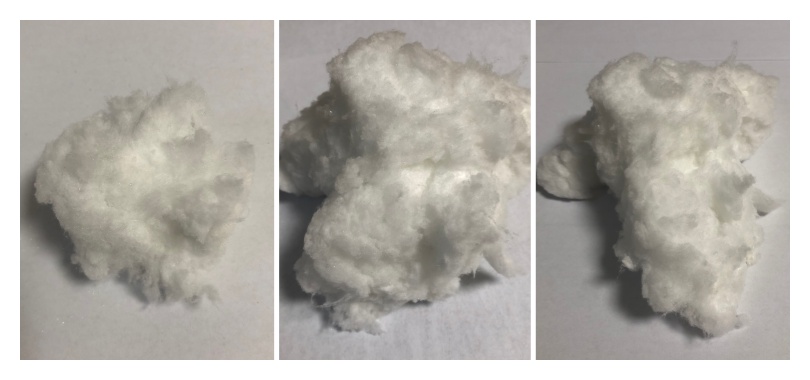
Ceramic fiber bulk is a loose, unformed refractory insulation material made from heat-resistant ceramic fibers, typically based on alumina-silica compositions. Depending on the manufacturing process, it can be supplied as spun or chopped fiber for suitable insulation and further-processing applications.
Unlike preformed insulation products, ceramic fiber bulk can be adapted to irregular spaces and selected applications where flexible fiber filling is required. It can also serve as a raw material for manufacturing certain vacuum-formed insulation components.
Key characteristics include:
High-temperature insulation: Suitable grades are available for different furnace temperature classifications.
Low thermal conductivity: Helps reduce heat transfer when properly selected and installed.
Low heat storage: Can support efficient heating and cooling in appropriately designed furnace systems.
Flexible application: Suitable for selected cavity-filling, joint-packing, and specialty manufacturing applications.
Lightweight construction: Offers an alternative to heavier refractory insulation materials in suitable applications.
Actual performance depends on fiber composition, installation conditions, operating temperature, furnace atmosphere, and exposure time.
Choosing the right ceramic fiber bulk for kiln applications starts with understanding the equipment design and insulation requirements.
Ceramic fiber bulk can be used in suitable filling and packing applications associated with ceramic kilns, tunnel kilns, shuttle kilns, and other industrial furnaces.
It is particularly relevant where irregular cavities or gaps make rigid insulation components difficult to install. The fiber grade and installation method should be selected according to the furnace design and service conditions.
Annealing furnaces, forging furnaces, reheating furnaces, and other heat treatment equipment may require thermal insulation around selected joints, openings, and refractory structures.
Ceramic fiber bulk can provide a flexible insulation option for suitable locations. Buyers should confirm operating temperature, furnace atmosphere, and the required installation density before selecting a grade.
Industrial furnaces experience thermal expansion and contraction during heating and cooling cycles. Ceramic fiber bulk may be used in suitable expansion joints and sealing structures where compressible insulation is required.
Correct installation is important because excessive compression, inadequate filling, or unsuitable material selection can affect thermal performance and service life.
Ceramic fiber bulk can serve as a raw material for selected vacuum-formed shapes and customized fiber insulation components.
These components can be designed for specific geometries, equipment interfaces, and installation requirements. Buyers developing custom insulation parts should discuss fiber composition, dimensions, density, and operating conditions with the manufacturer.
A suitable ceramic fiber bulk product should match the actual operating environment rather than relying on a single temperature rating.
Different ceramic fiber grades have different temperature classifications and recommended operating limits. Classification temperature is not the same as the maximum continuous working temperature.
Before ordering, confirm the normal operating temperature, peak temperature, exposure duration, and temperature fluctuations. Furnace atmosphere and chemical exposure should also be considered.
Fiber composition affects thermal performance and suitability for different industrial applications. Depending on the project, buyers may need to evaluate alumina and silica content, shot content, fiber characteristics, and technical documentation.
Request a technical data sheet and relevant quality information to verify that the proposed material meets the application's requirements.
Ceramic fiber bulk, ceramic fiber blanket, ceramic fiber board, and ceramic fiber paper serve different purposes.
Ceramic fiber bulk: For suitable loose-fiber filling, packing, and further processing.
Ceramic fiber blanket: For flexible insulation layers and furnace lining systems.
Ceramic fiber board: For applications requiring a more rigid, preformed insulation shape.
Ceramic fiber paper: For thin insulation layers, gaskets, and selected sealing applications.
Choosing the correct product form can help simplify installation and avoid unnecessary material costs.
For related solutions, explore Mindelun's Ceramic Fiber Blanket, Ceramic Fiber Board, and Ceramic Fiber Paper products.
For industrial buyers, a reliable ceramic fiber bulk supplier should offer more than a competitive quotation. Consistent specifications, clear technical communication, dependable packaging, and suitable supply arrangements are important for long-term purchasing.
When evaluating a supplier, consider the following factors:
1. Technical support
The supplier should be able to review the application, temperature requirements, and intended installation method before recommending a product grade.
2. Quality documentation
Request available technical data sheets, product specifications, and relevant inspection documents. Confirm that the delivered material matches the agreed requirements.
3. Bulk purchasing capability
Distributors and industrial contractors should confirm minimum order quantities, packaging specifications, lead times, and export arrangements before placing an order.
4. Product range and customization
A supplier offering complementary insulation materials can help buyers coordinate different products for a single project. OEM and ODM arrangements may also be available for eligible products and customized projects, subject to technical and production requirements.
5. Communication and repeat-order consistency
For recurring orders, maintaining agreed specifications and clear product identification helps support procurement planning and quality control.
Working directly with a ceramic fiber insulation bulk manufacturer can simplify communication about technical requirements, product specifications, and bulk purchasing arrangements.
For insulation distributors, refractory contractors, and furnace equipment manufacturers, the key considerations include product suitability, specification consistency, packaging, and the ability to coordinate repeat orders.
Mindelun serves industrial insulation markets with a range of thermal insulation materials for high-temperature and building applications. Depending on project requirements and product availability, buyers can discuss:
Ceramic fiber insulation materials for industrial applications.
Technical specifications and material selection.
Bulk order and export packaging requirements.
OEM and ODM options for eligible products.
Related insulation products for coordinated procurement.
If your project involves several insulation materials, you can also explore our Industrial Furnace Insulation solutions to identify complementary products for your application.
To help a ceramic fiber bulk supplier assess your requirements, include as much of the following information as possible in your inquiry:
| Information | Details to Provide |
|---|---|
| Application | Kiln lining, furnace sealing, expansion joint, or formed component |
| Operating temperature | Normal and peak temperatures |
| Fiber requirements | Required grade, composition, or specified technical standard |
| Quantity | Required weight and estimated repeat-order volume |
| Packaging | Bag weight, pallet requirements, labeling, and export packaging |
| Documentation | Technical data sheet, inspection records, or other project documents |
| Delivery requirements | Destination country and requested delivery schedule |
Providing clear specifications helps reduce quotation delays and improves the accuracy of product recommendations.
Ceramic fiber bulk is used for suitable insulation filling, joint packing, furnace sealing, and manufacturing selected fiber-based insulation components. Its suitability depends on the kiln design, temperature, and installation method.
Ceramic fiber bulk is a loose, unformed fiber material, while ceramic fiber blanket is a flexible, preformed insulation product. Bulk is appropriate for certain filling and processing applications; blanket is generally used for continuous insulation layers and furnace lining systems.
Evaluate product specifications, fiber composition, quality documentation, technical support, packaging options, and the supplier's ability to meet your order requirements. Always verify that the recommended grade is suitable for your actual operating conditions.
Suitable grades may be used in selected heat treatment furnace insulation applications. The correct choice depends on the operating temperature, furnace atmosphere, exposure time, and installation conditions.
Customized supply arrangements may be possible depending on the fiber grade, processing requirements, order quantity, and project specifications. Confirm the available options directly with the supplier before placing an order.
Looking for ceramic fiber bulk for kiln insulation, heat treatment furnaces, or other industrial thermal processing applications?
Mindelun welcomes inquiries from insulation distributors, furnace manufacturers, refractory contractors, and industrial buyers.
Send us your application details, operating temperature, required specifications, and estimated order quantity. Our team can help review your insulation requirements and discuss suitable product options.
Contact Mindelun today to request a quotation for your industrial insulation project.
Inquire immediately
company Qingdao Mindelun New Materials Co.,ltd.
address No. 290-7, Kangcheng Road, Chengyang District, Qingdao, China 266109.
whatsapp 86-13070879060
E-Mail: admin@mindelunmaterials.com

Ceramic Fiber Bulk for Kiln | Supplier & Manufacturer
2026-10-21
Ceramic Fiber Paper with Aluminum Foil: Single-Sided and Double-Sided Options
2026-10-10
Zirconia Ceramic Fiber Blanket for High-Temperature Electric Furnace Insulation
2026-09-15
How to Choose Ceramic Fiber Paper for Automotive Gaskets
2026-08-25
Ceramic Fiber Blanket for Chile Cement Plant: Applications, Sizes and Insulation Solutions
2026-08-17
Copyright © 2024 Qingdao Mindelun New Materials Co., Ltd. All Rights Reserved.
 Powered by Hicheng